


The $3 billion dog
Whether it’s a kelpie circling a flock of merino sheep or a blue heeler holding a stubborn bull in place, livestock dogs are the quiet, four-legged workforce behind Australia’s red meat and wool industries.
“Their contribution touches every stage of the supply chain, from reduced labour needs and improved stock handling to higher yields, better animal welfare and more efficient daily operations.”
For thousands of years, farmers have used dogs to protect, move and control sheep and other livestock. They play a vital role in farm management. While many city residents may think of them as loyal, clever and cute – on the farm, they’re an economic asset that rivals machinery, fencing and even hired labour. So – just how much is the Aussie sheepdog worth to the Australian economy?
{video}
Australia’s hardest-working dogs
While there is no definitive national count, industry estimates suggest there are likely over 270,000 working livestock dogs in Australia – and possibly many more. Their work stretches well beyond the farm gate. They’re found on sheep stations, cattle properties, mixed farms, feedlots, in livestock transport and at saleyards – helping producers and agents manage over 70 million sheep and around 25 million cattle. Without them, many parts of the red meat and wool supply chain – especially in large or remote areas – simply wouldn’t function the way they do.
While they make loyal companions, working dogs are much more than pets. They’re highly trained partners that help load trucks, sort livestock in yards and bring animals out of hard-to-reach gullies. Their skill and independence reduce the need for extra labour, fuel and machinery – all while working with focus, intelligence and stamina. Well cared for and deeply valued by their handlers, these dogs thrive on the work they’re bred and trained to do.
A history of loyalty and evolution
Australia’s working dogs trace their lineage to British imports such as border collies, Smithfields and other herding breeds brought over in the 1800s. While many of these breeds are still in use today – especially border collies, prized for their intelligence and agility – Australian conditions quickly demanded a dog with even greater endurance and independence.
The Australian kelpie was developed to meet the demands of local conditions, including vast areas and higher temperatures. The first kelpie – a black-and-tan female born in the early 1870s – was bred from Scottish working collies. Her descendants were carefully selected for stamina, heat tolerance and a strong natural herding instinct, giving rise to a new breed perfectly suited to the testing conditions of the Australian rural landscape.
Over time, other distinctively Australian breeds also developed. The Australian cattle dog – often called the blue or red heeler – was bred specifically to manage tough, often stubborn cattle over long distances. Koolies and collies remain part of the team too, each suited to different livestock, terrains and styles of work.
Compared to the UK or New Zealand, where farms are smaller and more intensively managed, Australia’s vast landscapes demand dogs with greater independence, problem-solving ability and physical resilience. Australian working dogs are expected to make decisions, adapt on the move and cover far more ground – and they do it with remarkable consistency.
How are they trained?
Training a livestock dog usually starts at eight to ten weeks of age, with name recognition, recall, basic commands and early socialisation. Pups are gradually introduced to farm environments and livestock in a safe, controlled way, developing stock sense – the instinct to move animals calmly and confidently.
As they mature, training expands to voice and whistle commands, teamwork, and specific paddock or yard roles. The best dogs can do both.
Training is positive and reward-based, using praise, repetition and food or toy rewards. Most dogs thrive on the routine and enjoy the challenge, building trust between dog and handler.
Some farmers train their own pups, while others buy part or fully trained dogs from breeders or auctions.
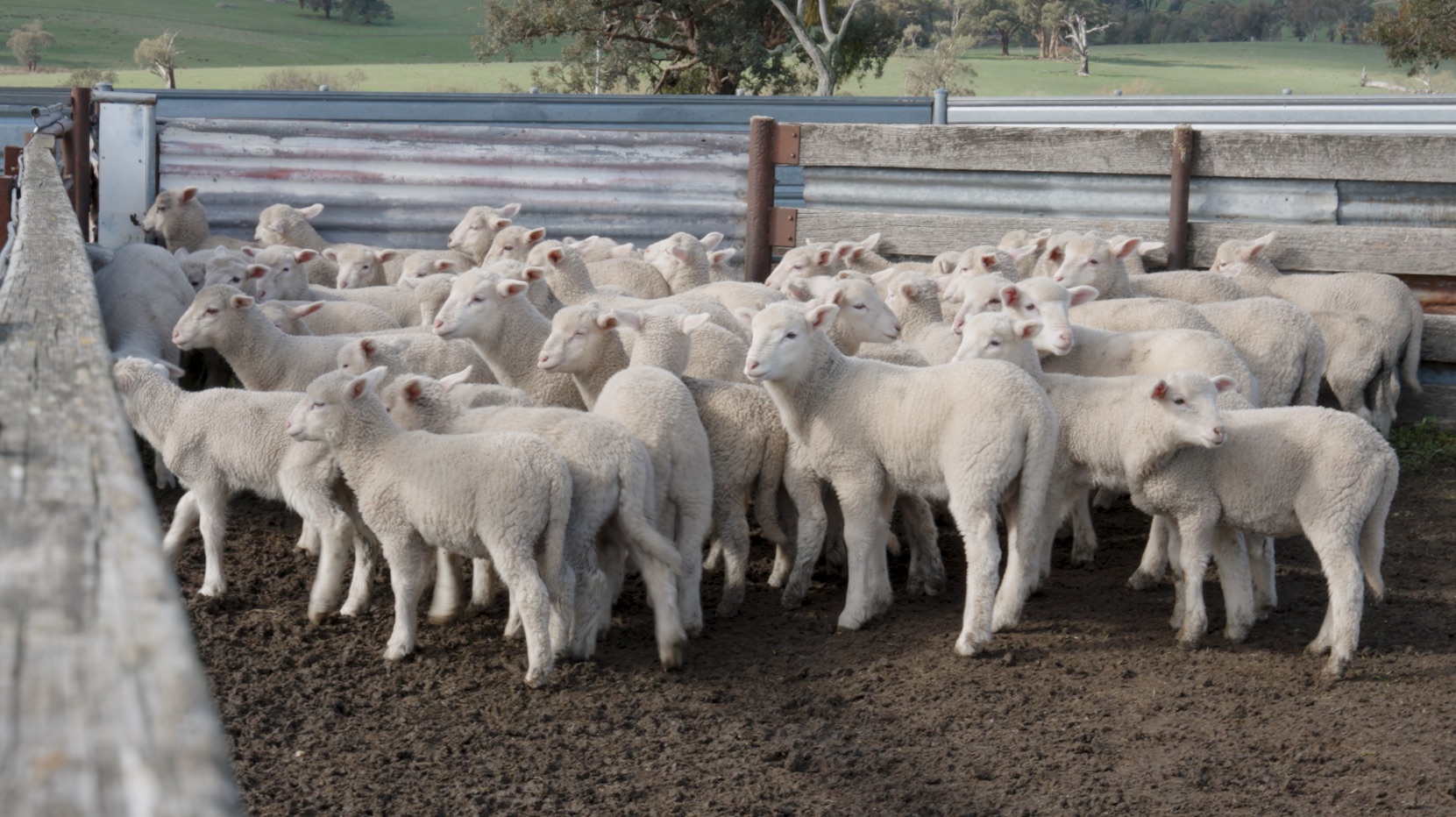 Sheep on farm in Victoria, Australia
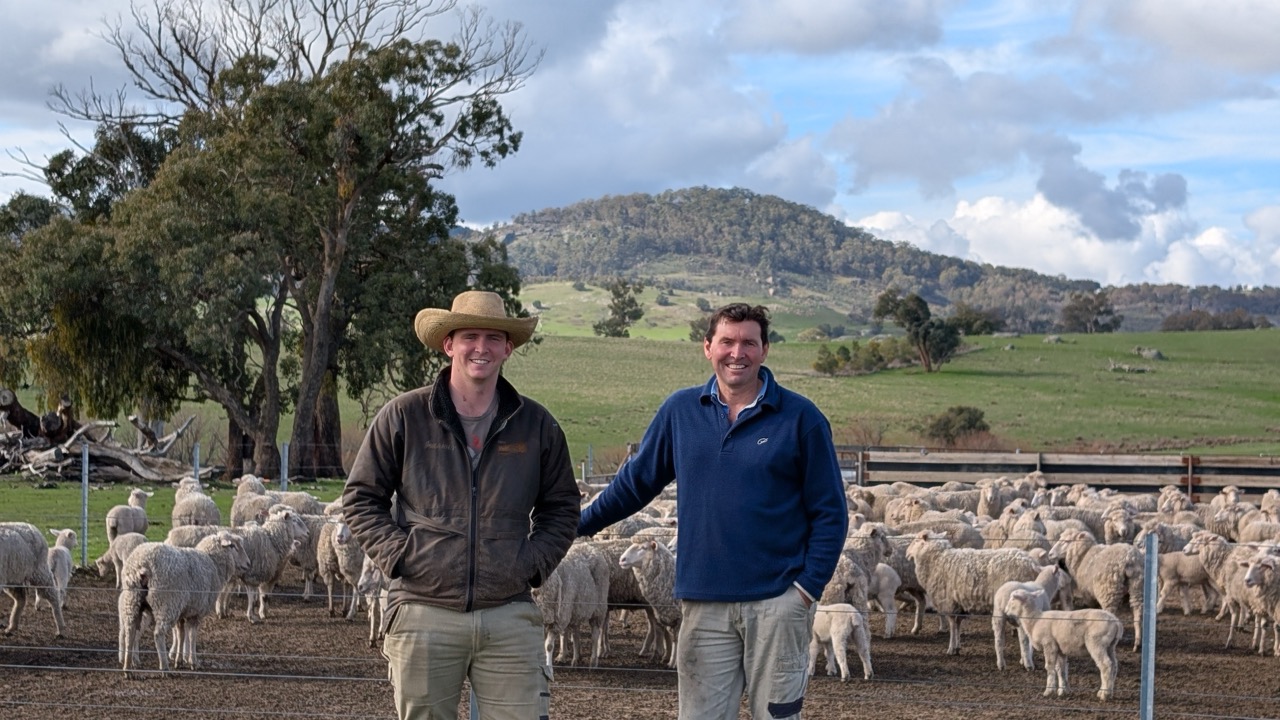 Brian and James Leahy on their sheep farm in Victoria, Australia